Founder, PIVR
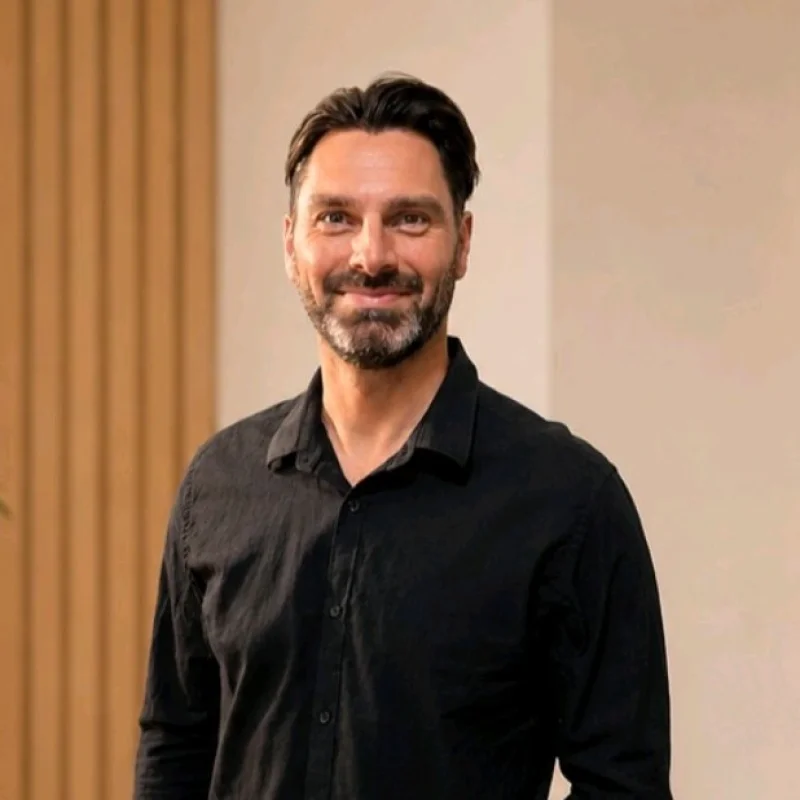
James Tolan
I’ve spent more than two decades working across operational leadership, multi-site businesses, franchise systems and business ownership.
My experience has ranged from managing individual venues to leading national operations, opening new businesses, overseeing multi-site restaurant portfolios and rebuilding an established independent business.
What ties those roles together is a consistent interest in how businesses actually work—not just the visible result, but the system underneath it.
Operating background
Learning to see the whole business.
My early career was with Barworks Hospitality Group in New Zealand, where I progressed through Venue Manager, Beverage Manager and Operations Manager roles.
That gave me a strong grounding in the commercial mechanics of running businesses: labour, budgets, inventory, suppliers, customer experience, compliance, people development and day-to-day performance.
I later joined Nomad Coffee Group as National Operations Manager. I worked across franchise operations, site selection, lease negotiations, recruitment, suppliers, fit-outs, project management, brand, marketing, coffee standards and operating systems.
A decision made in one area rarely stays there. A supplier decision can affect product quality. Product quality affects customer experience. Customer experience affects revenue. Leadership affects people. People affect execution. Execution eventually shows up in the numbers.
Ownership and failure
Failure changed the way I think.
One of the businesses I helped open later became a business I owned alongside the Managing Directors of Nomad.
It failed. The business was heavily capitalised, had significant fixed costs, multiple partners and a structure that carried more risk than I properly understood at the time. It was eventually liquidated.
It was a difficult experience, but it made me far more conscious of capital, fixed costs, ownership structure, partnerships, risk and the difference between activity and real progress.
By the time a symptom becomes obvious, the underlying cause may have been developing for months or years.
Mature systems
Learning inside a larger operating system.
After Nomad, I joined Nando’s as an Area Manager. I moved from being responsible for almost everything into a larger organisation with specialist support, mature systems, clearer accountability and a deeply embedded culture.
My restaurant portfolios ranged across Victoria before I relocated to Queensland and took responsibility for a new portfolio there.
In 2023, I was a winner of Nando’s Life & Soul Award.
Strong businesses create the conditions for people to perform.
The owner’s view
Becoming the owner again.
In 2024, I returned to business ownership and took over what became Wonday Coffee + Gelato.
We rebuilt the brand, product, coffee program, equipment, menu, suppliers, training and operating standards while retaining much of the existing team.
The visible changes mattered. But the less visible work mattered just as much: teaching people, explaining why standards exist, building confidence before increasing responsibility and creating an environment where people could make good decisions without needing the owner standing beside them.
Culture is part of the operating system—not something separate from performance.
Why PIVR
Evidence and human context belong together.
The operator in me wants evidence. I want to understand the numbers, systems, dependencies and decisions producing the result.
The leader in me wants to understand the people living with those decisions. Neither view is enough on its own.
PIVR examines the business as a connected system, challenges assumptions with evidence, identifies what is creating the downstream result and clarifies what deserves attention next.
The objective is to leave the founder with a clearer understanding of their own business, greater confidence in what comes next and, ultimately, less dependence on PIVR to make good decisions.
Rigour and empathy are not opposites. The best business decisions often require both.
Explore PIVR